
Why Pickled and Preserved Foods Matter in European Cuisine
Contents:
- The Short Answer on Why Pickled and Preserved Foods Matter
- Context: Where the Refrigeration Myth Comes From
- An Expert’s Take on the Distinction
- Detailed Explanation: The Two Main Preservation Categories
- True Fermentation
- Vinegar Pickling
- A Common Point of Confusion: Fermented vs. Vinegar-Pickled
- Examples: How These Foods Show Up in Everyday European Cooking
- What This Means for Your Shopping List
- What Real Preserved Products Cost in 2026
- Conclusion: Buying With Purpose, Not Just Nostalgia
- Frequently Asked Questions
- Is fermented sauerkraut healthier than vinegar-pickled cabbage?
- Why is some pickled product refrigerated and some shelf-stable?
- How long do opened pickled products last?
- Where can I buy authentic European pickled and preserved foods?
- Can I make fermented pickles at home instead of buying them?
A common myth says pickled and preserved foods are a leftover habit from before refrigeration, something European households kept around out of nostalgia rather than genuine culinary preference. That’s not quite right, and once you understand why, shopping for these products becomes a lot more purposeful.
The Short Answer on Why Pickled and Preserved Foods Matter
Pickled and preserved foods matter in European cuisine because they solve a real culinary problem: balancing rich, fatty dishes with acidity and brightness. A plate of cured meat, bread, and cheese needs something sharp to cut through the richness, and that’s exactly the role pickled cucumbers, sauerkraut, or preserved peppers play at a European table. This isn’t a historical leftover habit, it’s an active, ongoing culinary technique.
Context: Where the Refrigeration Myth Comes From
It’s true that preservation methods, pickling, fermenting, salting, originally developed out of necessity before modern refrigeration existed. But the assumption that these foods stuck around purely out of habit misses what actually happened over centuries: the flavors created by fermentation and pickling became genuinely preferred, not just tolerated. Fermented cabbage doesn’t taste like a compromise version of fresh cabbage; it tastes like something entirely different, tangier, more complex, with a depth that fresh cabbage simply doesn’t have. That’s why these foods remained central even after refrigeration made preservation unnecessary for survival.
An Expert’s Take on the Distinction
“People assume we eat pickled vegetables because our grandparents had no choice,” says Dr. Elena Marchetti, a food historian specializing in Central European culinary traditions. “But fermentation creates flavor compounds that simply don’t exist in the fresh vegetable. Lactic acid bacteria produce a tang and complexity that’s genuinely sought after, not settled for. If refrigeration had existed for the last five hundred years, sauerkraut would probably still be on the table, just with better packaging.”
Detailed Explanation: The Two Main Preservation Categories
European pantries generally divide preserved foods into two overlapping categories, worth understanding separately since they involve different processes and different flavor outcomes.
True Fermentation
Fermented products, sauerkraut, kimchi-adjacent Eastern European cabbage preparations, and traditionally made pickles, rely on naturally occurring bacteria converting sugars into lactic acid, using just salt and time rather than vinegar. This process takes days to weeks and produces a distinctly tangy, slightly effervescent flavor along with genuine probiotic content, since the beneficial bacteria remain active in an unpasteurized product.
Vinegar Pickling
Vinegar-pickled products skip the fermentation step entirely, using an acidic brine (vinegar, water, salt, sugar) to preserve and flavor vegetables quickly, often within hours to a couple of days. This produces a sharper, more immediately sour flavor without the complex tang of true fermentation, and without the probiotic content, since vinegar pickling typically involves pasteurization that kills off any bacteria, beneficial or otherwise.
A Common Point of Confusion: Fermented vs. Vinegar-Pickled
Shoppers frequently assume these two categories are interchangeable, grabbing whichever jar is cheapest or most visible on the shelf. They’re not the same product, and the difference matters for both flavor and nutrition. A jar labeled simply “pickles” at a mainstream US supermarket is almost always vinegar-pickled and pasteurized, while a genuinely fermented product, more common in a specialty European import, will often be found refrigerated rather than shelf-stable, since it wasn’t heat-processed to kill the active bacteria. Rudcafood’s Pickled Vegetables collection labels this distinction clearly, so shoppers aren’t left guessing which type they’re actually buying.
Examples: How These Foods Show Up in Everyday European Cooking
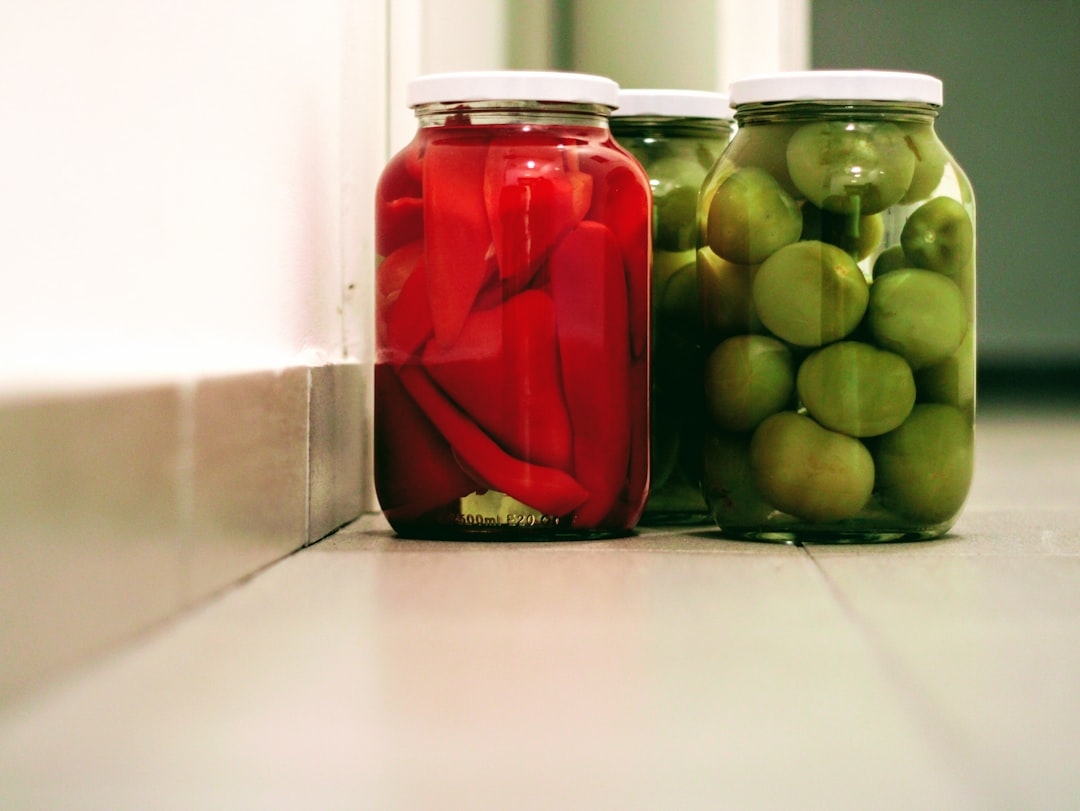
A Polish household might serve ogórki kiszone, salt-fermented cucumbers, alongside a rich meat dish specifically to cut through the fat, while reserving vinegar-pickled cucumbers for sandwiches where a sharper, faster flavor works better. A German meal built around sausage and potatoes almost always includes sauerkraut, not as a side thrown in for tradition’s sake, but because the acidity genuinely balances the richness of the meal. Preserved peppers and tomatoes, common across Balkan and Mediterranean cooking, get folded into stews and sauces during winter months specifically because the preservation process concentrates and deepens their flavor beyond what the fresh vegetable offered in season.
What This Means for Your Shopping List
If you’re building a pantry to recreate specific European meals rather than just experimenting, it’s worth stocking both types, a fermented product for dishes where that tang and probiotic quality matter, and a vinegar-pickled product for quicker, sharper applications like sandwiches or a fast side dish. Rudcafood’s Canned Pickled Products line covers the shelf-stable vinegar-pickled side of that equation, sourced from producers who use traditional brine ratios rather than a generic, overly sweetened commercial recipe.
What Real Preserved Products Cost in 2026
- Traditionally fermented sauerkraut (jar, refrigerated): $6.99–$8.99
- Fermented pickles (jar): $5.99–$7.99
- Vinegar-pickled vegetables, mixed jar: $4.49–$6.49
- Preserved roasted peppers (jar): $5.49–$7.49
- Preserved lemons or citrus (small jar): $6.99–$9.99
A starter set covering both categories, one fermented item and two or three vinegar-pickled staples, runs roughly $20-25, a modest investment that stocks a pantry for weeks given how these products are typically used in small quantities alongside a meal rather than as the meal itself.
Conclusion: Buying With Purpose, Not Just Nostalgia
Understanding the difference between true fermentation and vinegar pickling changes how you shop for these products, from a vague sense that “pickled things are traditional” to a clear understanding of which jar actually delivers the flavor and function you’re after. Once that distinction clicks, building a proper European pantry stops feeling like guesswork and starts feeling like an informed, purposeful decision.
Frequently Asked Questions
Is fermented sauerkraut healthier than vinegar-pickled cabbage?
Generally yes, unpasteurized fermented sauerkraut retains live bacterial cultures with probiotic benefits, while vinegar-pickled and pasteurized versions do not, though both offer fiber and vitamin content from the cabbage itself.
Why is some pickled product refrigerated and some shelf-stable?
Refrigerated products are typically unpasteurized and fermented, requiring cold storage to keep the process from continuing indefinitely, while shelf-stable products are pasteurized and vinegar-based, which halts biological activity entirely.
How long do opened pickled products last?
Most opened pickled products, whether fermented or vinegar-based, last 4-8 weeks refrigerated, though flavor and texture are typically best within the first few weeks.
Where can I buy authentic European pickled and preserved foods?
Rudcafood carries both fermented and vinegar-pickled European products, clearly labeled by type, sourced from producers who follow traditional preparation methods.
Can I make fermented pickles at home instead of buying them?
Yes, home fermentation is straightforward with just salt, water, and time, though matching the specific flavor of a regional traditional recipe often takes some trial and error compared to a producer with generations of experience.